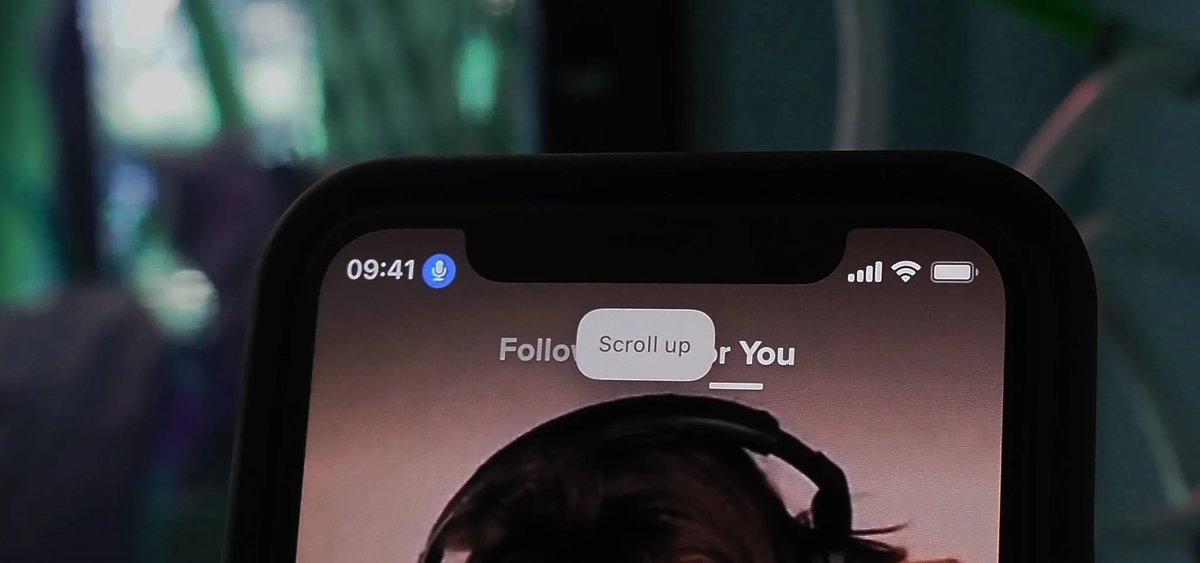
Ever scrolled through TikTok and found yourself chuckling at a video narrated by that distinct, automated voice you know so well? You're not alone. The "Siri voice" has become a cultural phenomenon, transforming ordinary videos into engaging, often humorous, pieces of content. But how do content creators actually achieve this? The answer lies in how to use Siri voice generators (step-by-step), harnessing text-to-speech technology to bring those familiar tones to life in your own projects.
Whether you're looking to add a touch of deadpan humor, enhance accessibility for your audience, or simply experiment with new creative avenues, generating Siri-like voiceovers is far easier than you might think. This guide will walk you through the most effective methods, from free online tools to native Mac features and advanced recording techniques.
At a Glance: Key Takeaways for Siri Voice Generation
- Online Tools Make It Easy: Platforms like Kapwing offer user-friendly, web-based interfaces to convert text into Siri-style speech, complete with editing features.
- Mac Users Have a Built-In Option: Your Mac's Terminal app can make Siri speak any text with a simple command.
- Record with Precision: For high-quality, integrated voiceovers, tools like Blackhole allow you to record Siri's speech directly into your audio or video editing software.
- Enhance Accessibility & Engagement: Siri voiceovers are excellent for adding captions, explaining complex topics simply, or injecting personality into your content.
- Text-to-Speech is Your Friend: At its core, this process is about converting written words into spoken audio, making it a powerful tool for various content types.
Why Leverage Siri Voice Generators for Your Content?
The allure of the Siri voice generator goes beyond mere novelty. On platforms like TikTok, it's a trend that adds a layer of irony, deadpan humor, or straightforward narration that can resonate deeply with viewers. Imagine explaining a complex topic with Siri's clear, consistent tone, or delivering a punchline with its characteristic monotone delivery. This approach doesn't just entertain; it also significantly boosts video accessibility, providing a voiceover for those who might struggle with reading on-screen text or who prefer auditory information.
By converting text to a voiceover, you're not just making your content more engaging; you're also opening it up to a wider audience, ensuring your message is heard, literally. It's a simple yet powerful way to elevate your video production without needing professional voice acting or expensive equipment. For those eager to dive in, you might want to explore the Siri voice generator options available right now.
Method 1: Generating Siri Voiceovers with Online Editors (Kapwing)
One of the most accessible ways to create Siri-style voiceovers is through free, online video and audio editors. Kapwing stands out as a robust, user-friendly option that simplifies the process significantly. It allows you to download your generated voice as an MP3 or integrate it directly into a video as an audio overlay, all within a comprehensive editing timeline.
Here's how to get started:
Step 1: Add a Text Layer in Kapwing
Your journey begins on the Kapwing website.
- Get Started: Navigate to Kapwing's website and click the "Get Started" button. You can choose to upload or import an existing video, or simply start with a blank canvas if you only need a standalone Siri voice file.
- Add Text: Look for the "Text" button in the left-hand menu. Click it to add a text layer to your project. This works seamlessly whether you're using an iPhone, Android device, or a desktop computer.
- Type Your Script: Double-tap the newly added text layer on the canvas to open the text editor. Here, you'll type the words you want Siri to speak. This could be a short phrase, a detailed explanation, or a full paragraph.
- Build Your Narrative: If your voiceover is a longer story or narration, you can add multiple text layers. Position and time these layers on the timeline to create natural pauses and a coherent flow, much like a script.
Step 2: Convert Text Layer into Speech
Now for the magic – turning your written words into Siri's voice.
- Select & Convert: Select the text layer you just created. In the action menu that appears, click "Text to Speech."
- Choose Your Voice: You'll be prompted to select a voice. For the classic Siri sound, choose "Female American" or "Male American."
- Preview and Refine: Once selected, the text layer on your timeline will expand, now displaying an audio waveform underneath. This indicates that your text has been converted to speech. Play your video or audio track to preview the voiceover. Don't be afraid to toggle between the male and female options to see which best fits your content's tone.
- Detach Audio (Optional): If you no longer need the visual text layer but want to keep the audio, simply right-click (or long-press on mobile) the text layer and select "Detach Audio Layer." You can then delete the visual text layer from your canvas, leaving only the audio track behind.
- Control Pacing and Emphasis:
- Pauses: To create natural pauses in your Siri narration, simply leave space between different Siri voice layers on the timeline.
- Emphasis: Want to emphasize a particular word or phrase? Select that audio segment and drag the volume slider above 100% to make it stand out.
- Speaking Rate: Adjust the "Speed" setting to make Siri speak faster or slower, fitting the rhythm of your video.
- Editing Text: If you need to edit the actual text, double-tap the original text layer. Be aware that after making text updates, you'll need to re-convert the text-to-speech layer to apply the changes. This ensures the audio matches your revised script.
Step 3: Export Your Siri Voice as MP3 or MP4
Once your Siri voiceover sounds perfect and is perfectly timed with your visuals, it's time to export.
- Initiate Export: Look for the "Export" button in the top right corner of Kapwing. Click the dropdown arrow next to it.
- Choose Your Format:
- MP3: Select "Export as MP3" if you only need the audio file – perfect for podcasts, sound effects, or importing into other video editors.
- MP4: Choose "Export as MP4" if you've created a video with the Siri voiceover integrated, especially if you're planning to share it directly to platforms like TikTok.
- Processing: Kapwing will now process your file. The time this takes will depend on the length and complexity of your project.
Step 4: Publish and Share Your Creation
After processing, your Siri voice file is ready for the world.
- Get Your URL: Kapwing will provide you with a unique URL for your final project page. You can use this to share your Siri voice file directly.
- Remove Watermark: Kapwing offers a free account option. By logging in with your Facebook or Google account, you can typically remove any watermarks from your exported files, giving your content a more polished, professional look.
Method 2: Making Siri Speak on Mac & Advanced Recording
For Mac users, generating Siri's voice can be done directly from your computer, offering a quick and free method. Additionally, there are techniques for non-Mac users or those who need to record Siri's speech into a specific editing environment.
Using Terminal on a Mac
Your Mac comes with a powerful command-line interface called Terminal that allows you to directly control system functions, including making Siri speak.
- Open Terminal: The easiest way to find Terminal is by searching for it in Launchpad (the rocket icon in your Dock) or using Spotlight Search (Cmd + Space and type "Terminal").
- Make Siri Speak: Once Terminal is open, type the command
Sayfollowed by the text you want Siri to vocalize. For example, if you want Siri to say, "Hello, internet," you would type:
Say Hello, internet
Then, press Enter. Siri will immediately speak the text in its classic automated voice. - Customize Siri's Voice (Optional): Did you know you can change Siri's default voice and accent on your Mac? Go to System Settings (or System Preferences on older macOS versions) > Accessibility > Spoken Content. Here, you can select different system voices, including various regional accents and genders, to give your Siri voice a unique flavor.
For Non-Mac Users or Recording Siri's Voice Directly
If you're on a Windows machine, don't have access to a Mac, or need to record Siri's voice directly into your audio or video editing software for more precise control, you have a couple of excellent options.
Option A: Online Text-to-Speech Generators
Numerous online text-to-speech generators offer access to voices that closely mimic or are even identical to Siri's. A popular choice is Natural Readers, which provides a range of voices, including high-quality AI options that sound very much like the Apple assistant. These platforms typically allow you to type in your text and play the audio, which you can then record using screen recording software or your computer's built-in audio recorder.
Option B: Recording Siri's Voice with Blackhole (Mac/Online)
For a truly seamless workflow, especially if you're editing audio or video, recording Siri's speech directly into your chosen software is the professional approach. This requires a virtual audio routing tool like Blackhole from Existential Audio. It's free and acts as a virtual audio cable, rerouting sound between applications.
- Download and Install Blackhole: First, download Blackhole from Existential Audio's website (or search for it online). Follow the installation instructions for your operating system.
- Setup Your Computer's Audio Output:
- After installation, open your Mac's System Settings (or System Preferences).
- Navigate to Sound > Output tab.
- From the list of output devices, select Blackhole 2ch (or whatever specific Blackhole channel count you installed, e.g., 16ch). This tells your computer to send all its audio output through Blackhole.
- Configure Your Recording Software: Next, open your preferred video or audio editor. This could be anything from DaVinci Resolve, Sony Vegas, Final Cut Pro X, Audacity, Logic Pro X, to Adobe Audition.
- Go to your software's Preferences (usually found under the application name in the menu bar, or by pressing Cmd + ,).
- Find the Audio settings.
- Set Blackhole 2ch (or your specific Blackhole channel) as your audio Input device. This tells your editing software to receive its audio from Blackhole.
- Record Siri:
- Now, start a new audio recording track in your editing software.
- While the recording is active, make Siri speak. You can do this either by using the Terminal command on your Mac (
Say [text]) or by playing audio from an online Siri voice generator (like Natural Readers) through your web browser. - Because your computer's audio output is set to Blackhole, and your editing software's input is also Blackhole, Siri's voice will be recorded directly into your project.
- Once you're done recording, remember to switch your computer's audio output back to your speakers or headphones in System Settings > Sound > Output.
This method gives you pristine audio quality and full control over timing and edits within your professional environment.
Pro Tips for Perfecting Your Siri Voiceovers
Creating a Siri voiceover is more than just converting text to speech; it's about crafting an effective piece of audio that enhances your content. Here are some seasoned journalist tips to make your voiceovers shine:
- Script Everything: Even for short phrases, having a written script ensures consistency and helps you refine your message. Read it aloud to catch awkward phrasing before generating the voiceover.
- Embrace Pauses: Siri's monotone delivery can be enhanced by strategic pauses. Use multiple text layers with gaps in Kapwing, or separate "Say" commands in Terminal, to create natural breathing room. This improves comprehension and can add dramatic effect.
- Vary the Rate and Pitch (Where Possible): Some generators (like Kapwing) allow you to adjust the speaking rate. Experiment with this to match the pace of your video or the emotion you're conveying. While Siri's pitch is fairly fixed, a slightly faster or slower rate can significantly change its impact.
- Listen Critically: Always preview your generated voiceover multiple times. Does it sound natural? Is it clear? Are there any unexpected pronunciations you need to correct by adjusting your text (e.g., spelling out numbers as words)?
- Use for Emphasis: A Siri voiceover can be incredibly effective for highlighting key information, summarizing points, or delivering a punchline. Reserve it for moments where its distinct sound will add value.
- Combine with Music or Sound Effects: Don't be afraid to layer your Siri voiceover with background music or subtle sound effects to create a richer audio experience. Just ensure the voice remains clear and audible.
Common Questions About Siri Voice Generators
As a smart editor, I know you'll have questions. Let's tackle some of the most common ones:
Q: Are Siri voice generators truly free?
Many basic functions of online generators like Kapwing are free, often with a watermark or feature limitations. The Mac Terminal method is entirely free. Advanced features or high-quality downloads on some platforms might require a subscription. Blackhole is also free software.
Q: Can I use the "official" Siri voice?
The voice generated by Kapwing's "Female/Male American" text-to-speech option or by your Mac's Terminal is indeed the system voice used by Siri. Online generators often strive to replicate this voice as closely as possible.
Q: Can I make Siri sound like a different character or voice?
While you can typically switch between male and female versions of the standard Siri voice, changing it to a completely different character voice (e.g., a monster, a robot other than Siri) would require a different type of voice generator or voice modification software. Some advanced text-to-speech platforms offer a wider range of voices.
Q: What if Siri mispronounces a word?
This is common with AI text-to-speech. Try spelling out the word phonetically (e.g., "en-vel-op" instead of "envelope"), or break it down into smaller parts. You might also find success using a slightly different synonym if the word consistently trips up the generator.
Q: Is it okay to use Siri voiceovers in commercial projects?
Generally, yes, if you're using a text-to-speech service that offers commercial licensing or if you're using your operating system's built-in text-to-speech. Always check the terms of service for any third-party generator you use to ensure compliance, especially if you plan to monetize your content.
Your Voice, Amplified: The Future of AI Voiceovers
Mastering the use of Siri voice generators is more than just learning a neat trick; it's about adding a versatile tool to your content creation arsenal. From boosting accessibility to injecting humor and clarity, these AI voiceovers offer a straightforward path to more engaging and professional-sounding videos.
The ability to quickly convert text to speech empowers creators to iterate faster, experiment more, and reach audiences in new ways. So, go ahead, pick your preferred method, start scripting, and let Siri lend its iconic voice to your next great idea. The digital stage is ready for your story, narrated with a touch of AI magic.